Academic Research
Game Development
Academic Research
Modeling Across Realities (MAR): Extending Desktop 3D Modeling with Augmented Reality
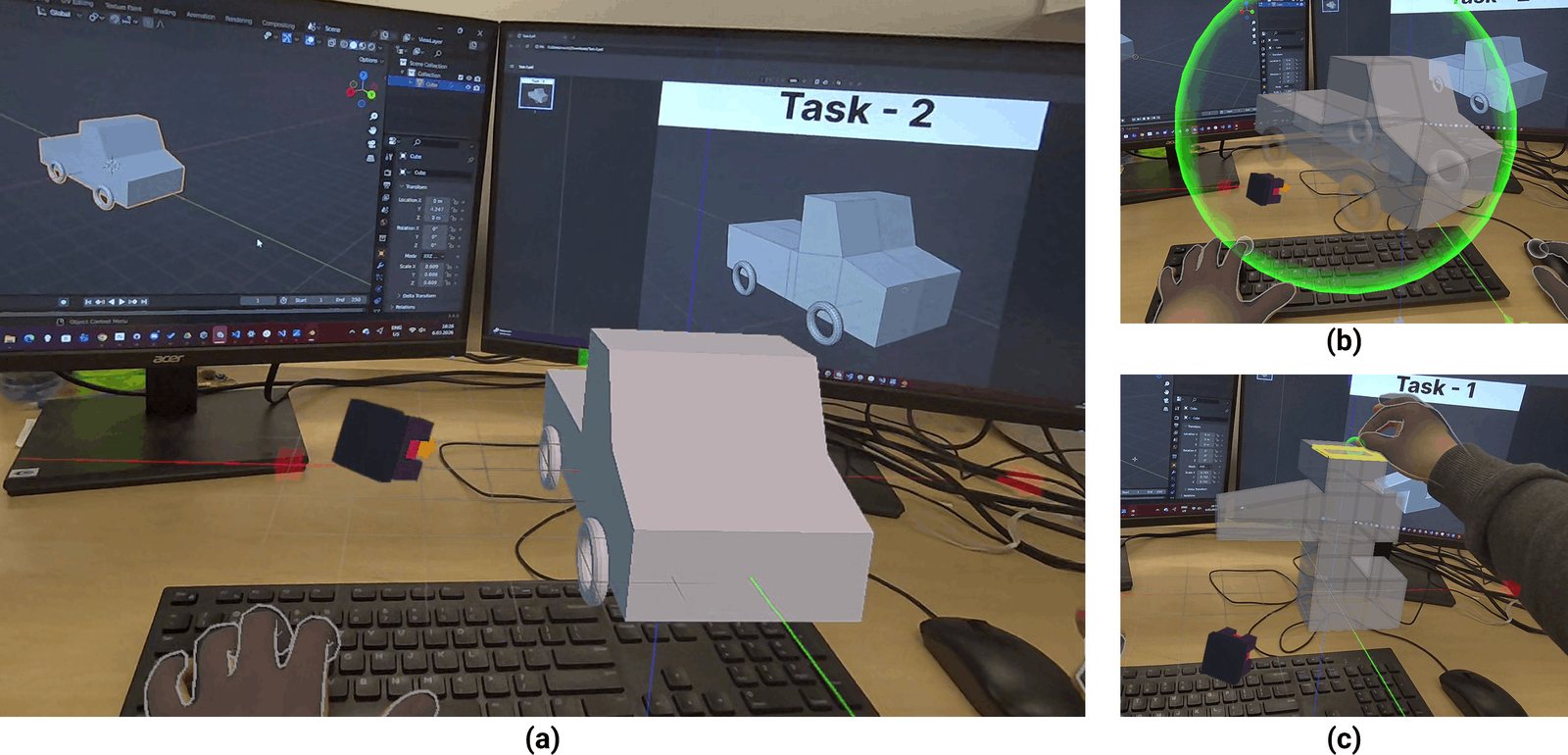
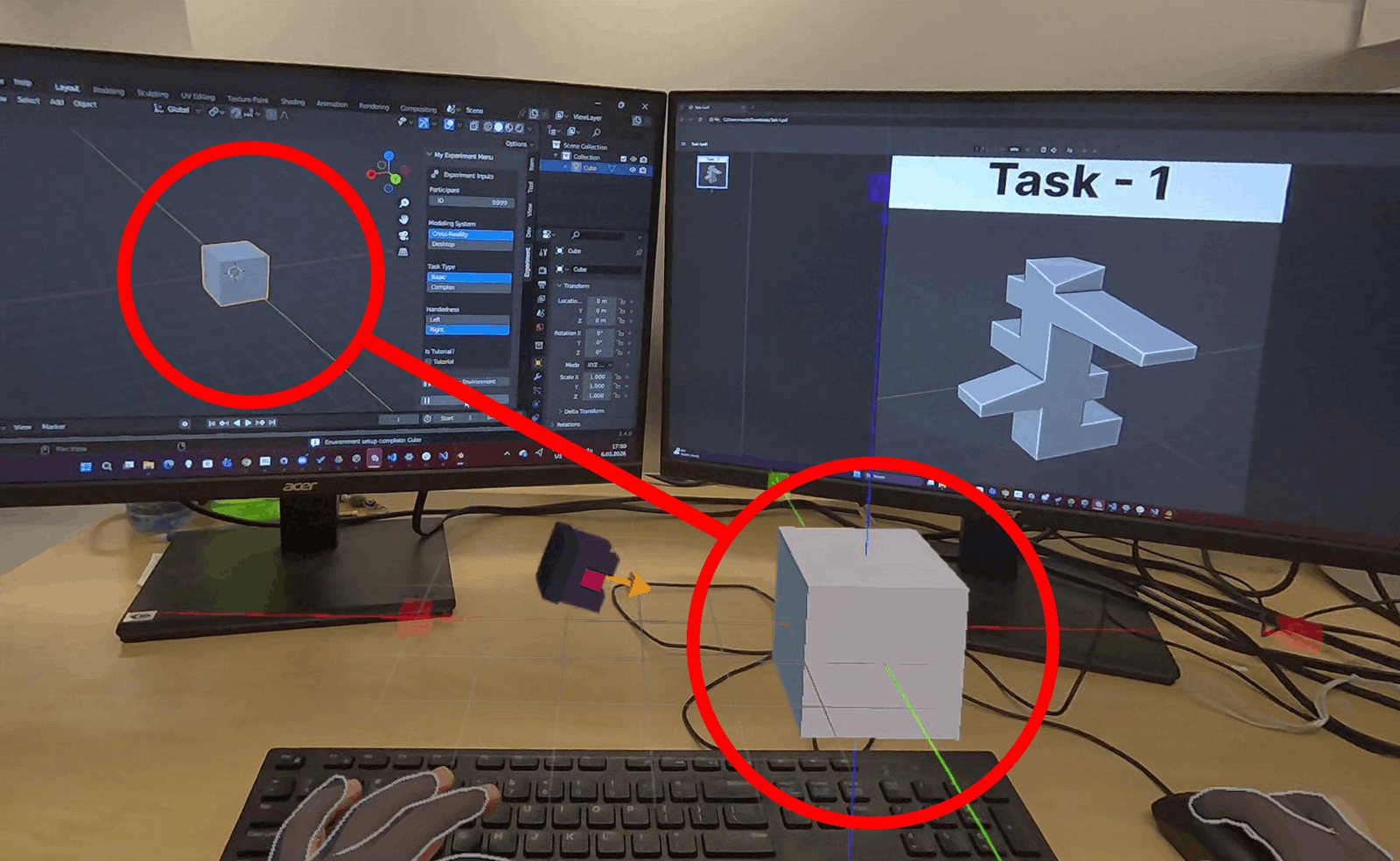
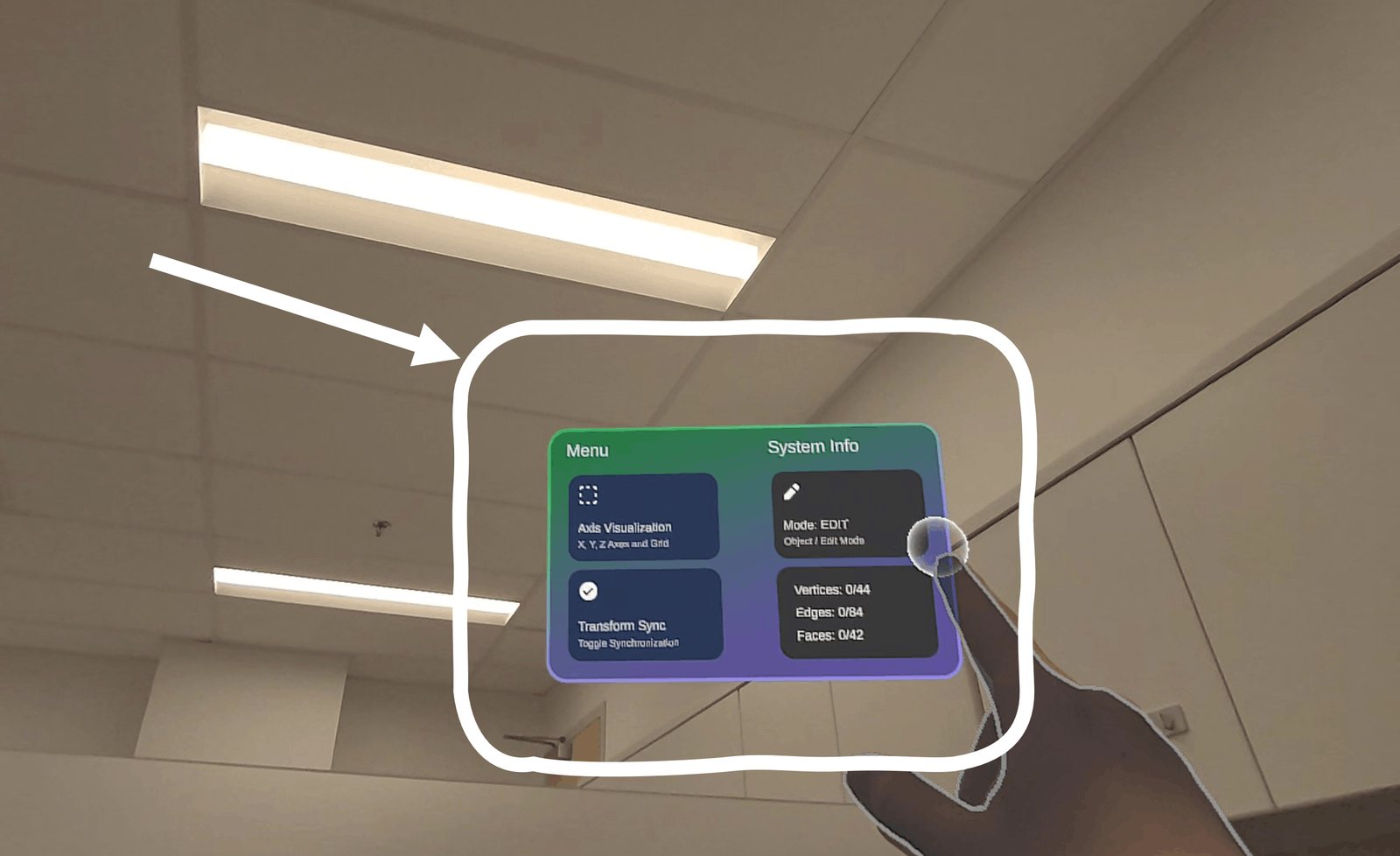
Cross-Reality / 3D Modeling / Augmented RealityIndustry-standard 3D modeling tools run on conventional desktop setups with 2D screens. Augmented Reality lets users perceive 3D shapes better in a body-centric space, but that improved spatial understanding comes at the cost of precision. MAR combines the two: the model stays in Blender on the desktop, while an immersive AR view adds spatial inspection and gesture-based selection. We evaluated MAR with 20 participants across an abstract shape and an everyday object. MAR outperformed desktop-based modeling with lower workload, higher usability and user preference, without compromising model quality in the abstract shape task and improving it in the everyday-object task.
Read Preprint →Crossing Realities Has a Cost: Evaluating AR Second Screens for AI-Assisted Desktop Authoring
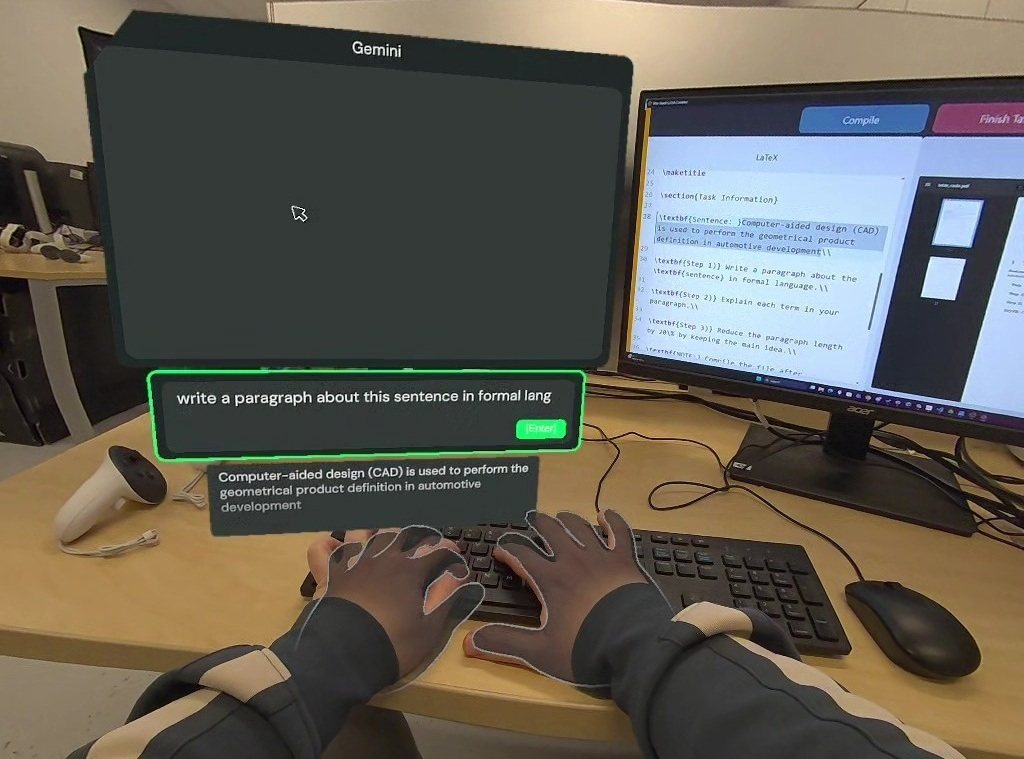
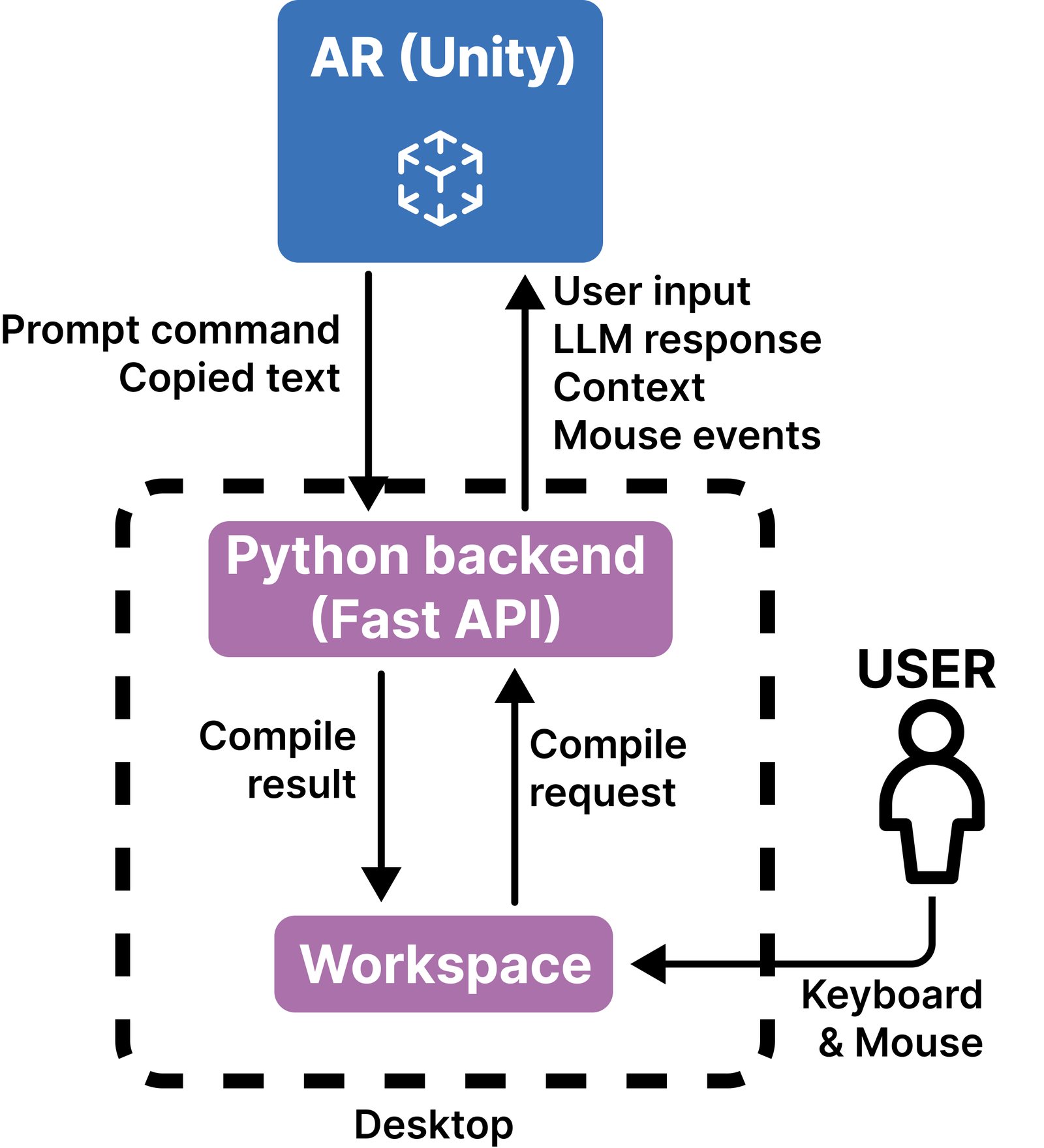
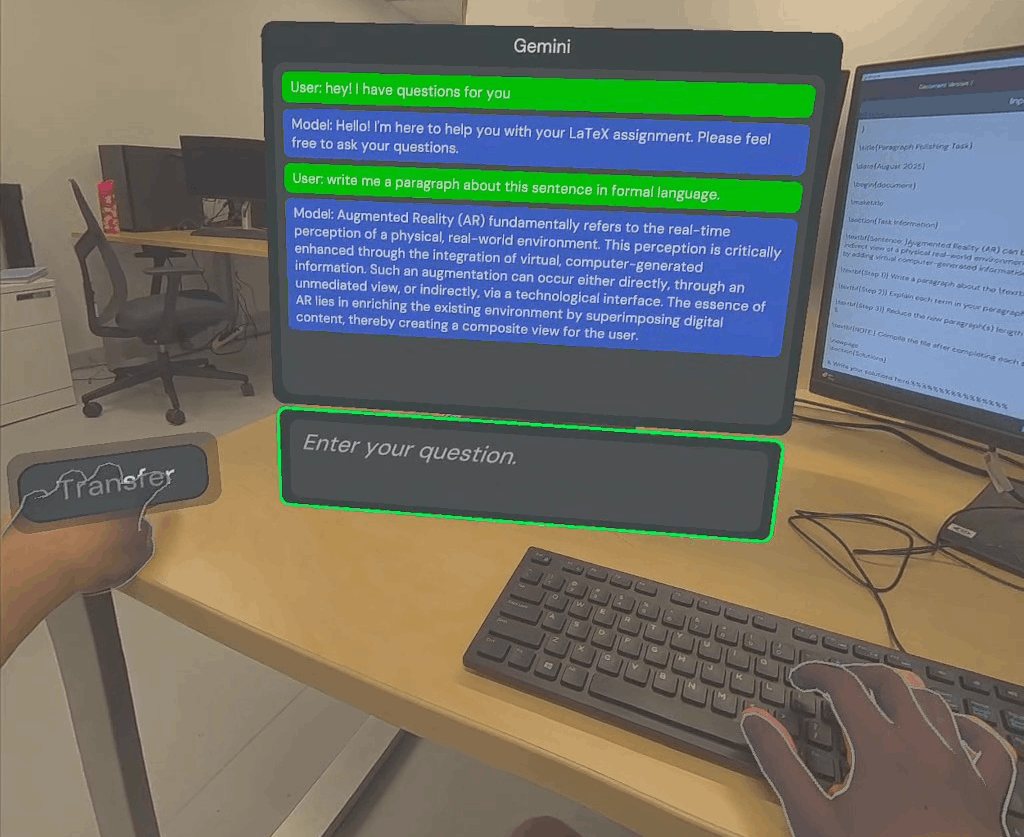
Cross-Reality / AR Second Screen / LLM-Assisted AuthoringWorking with an LLM assistant means constantly moving content back and forth between your workspace and the model, which fragments attention and competes for screen space. AR has been proposed as a way to extend the desktop with virtual displays, so we built an AR second screen around a single keyboard-and-mouse interaction model and compared it against single-screen and dual-screen desktop setups. A conventional dual-screen setup remained more efficient, with significantly lower task completion time and switching cost, and the AR condition produced higher idle ratios that point to re-engagement costs when users crossed between physical and virtual workspaces. Participants still rated AR positively. The conclusion is that effective cross-reality interfaces need to minimise transition costs rather than simply add virtual display space.
Read Paper →Before hands disappear: Effect of early warning visual feedback method for hand tracking failures in virtual reality
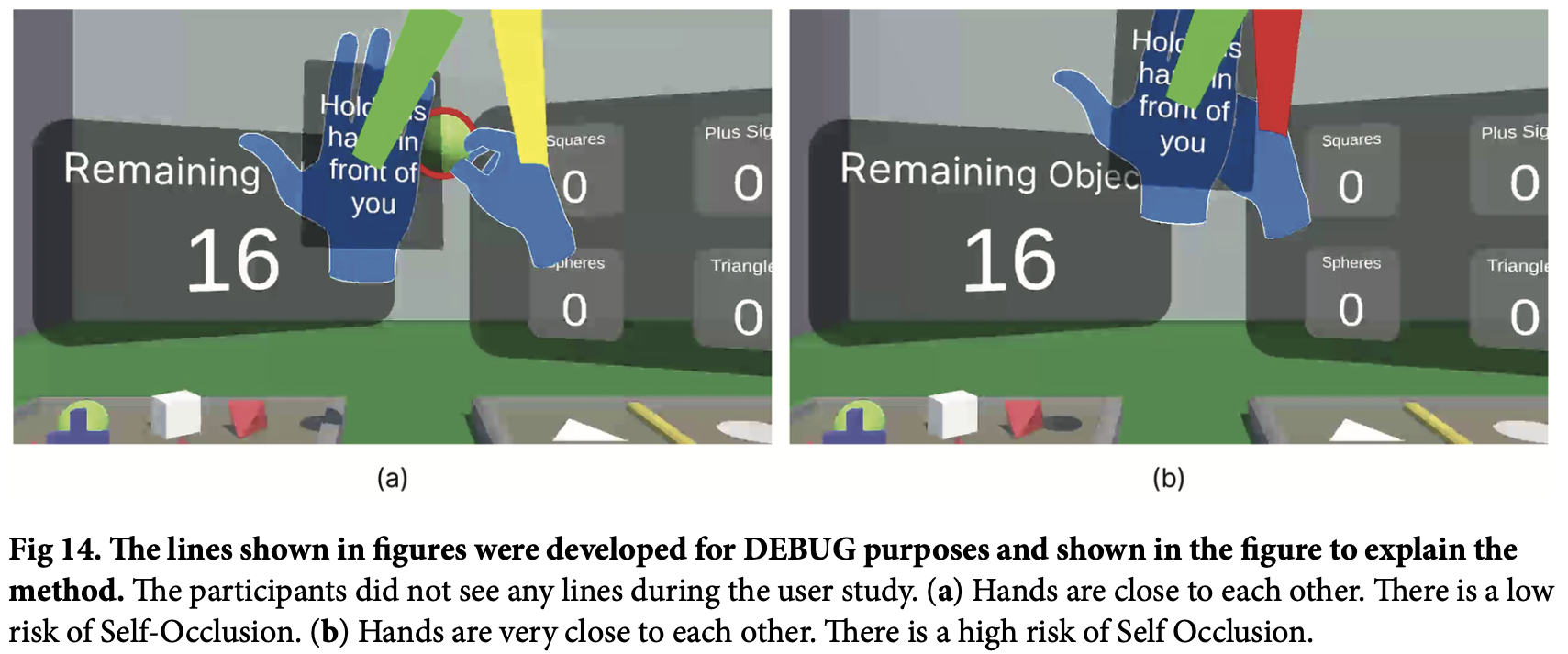
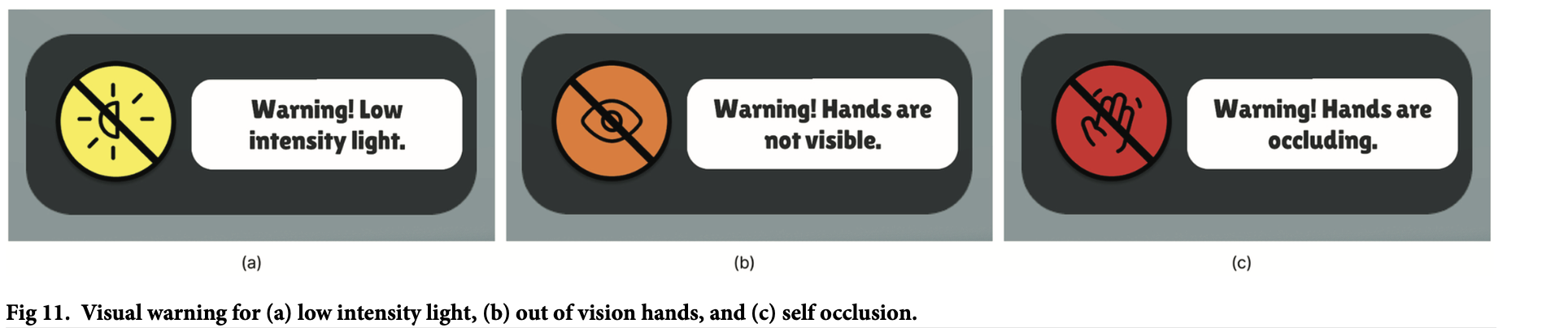
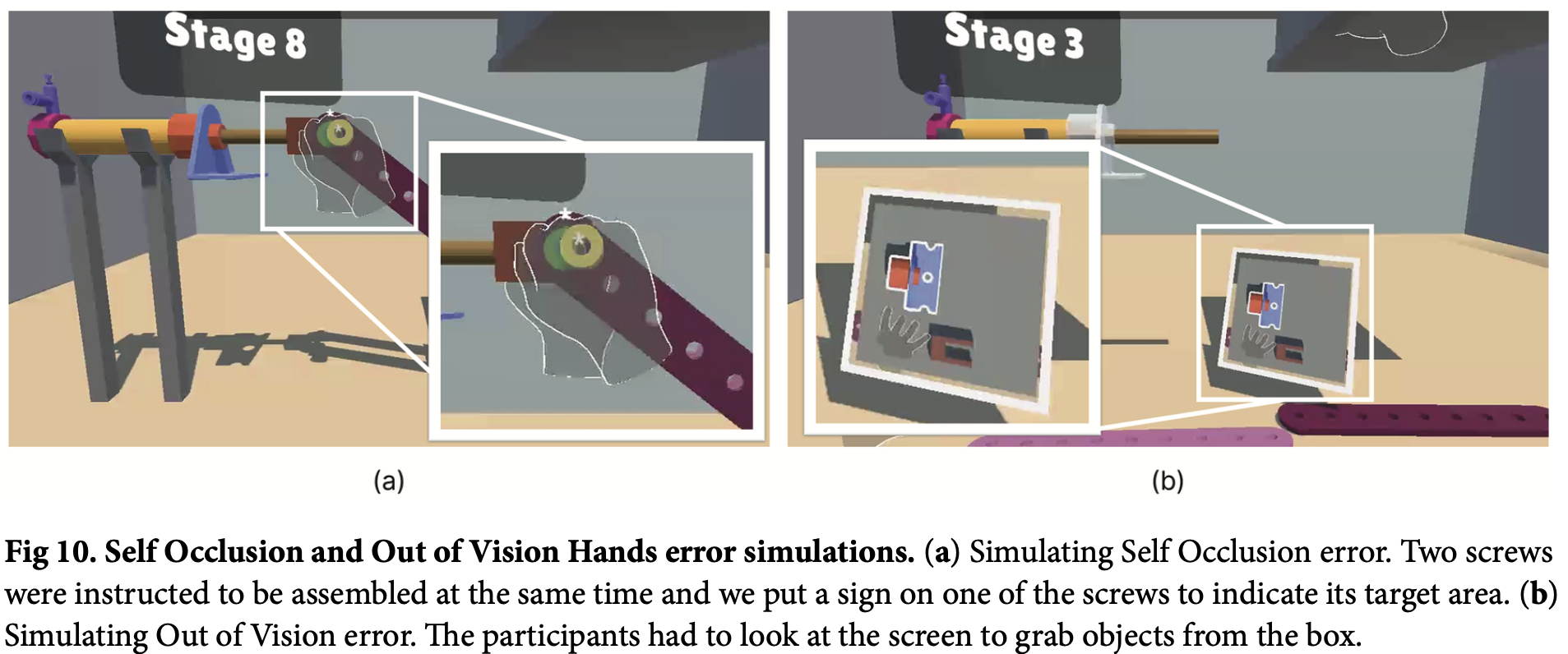
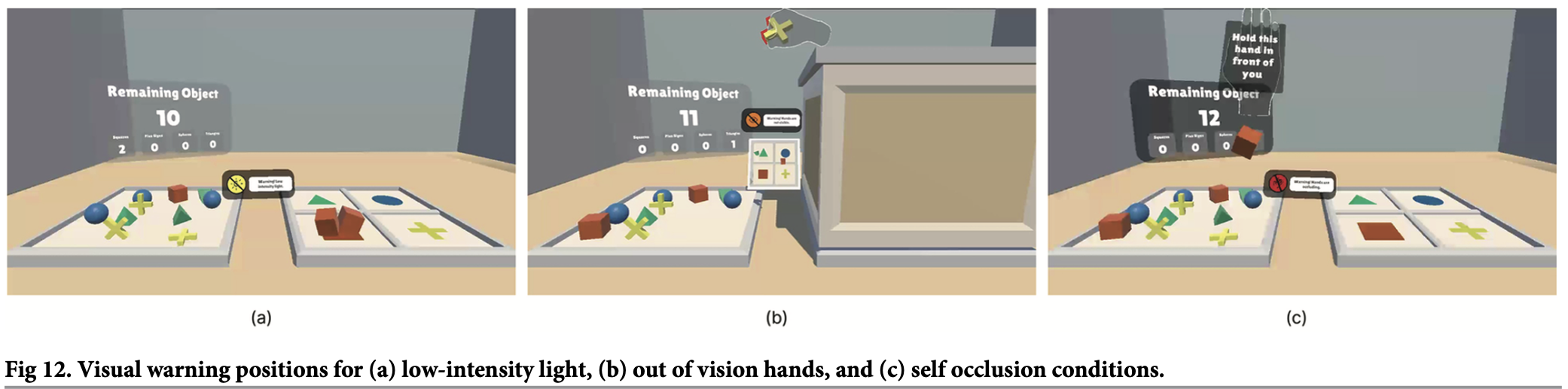
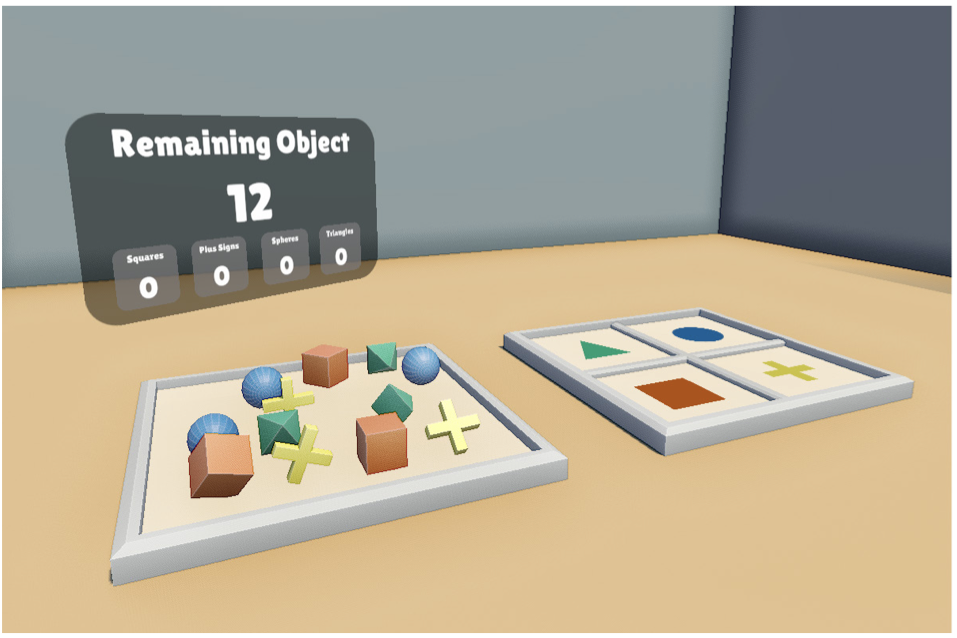
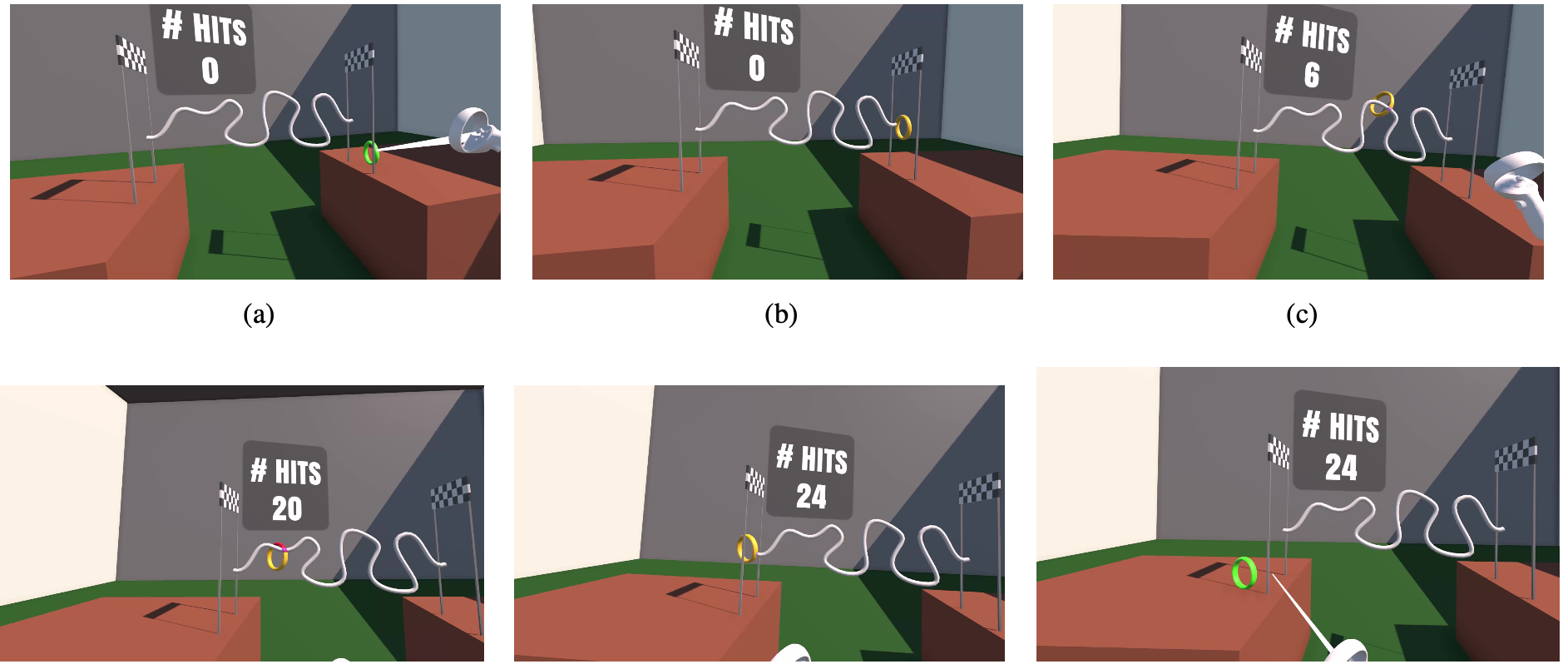
This Google-funded study addresses the reliability issues of camera-based VR hand tracking by shifting from reactive error correction to proactive prevention. Using Unity and the Meta XR SDK, I developed a predictive algorithm that detects high-risk failure scenarios—specifically low light, out-of-vision hands, and self-occlusion—and alerts the user via a non-intrusive visual cue before tracking is lost. In a user study (N=18), the early warning condition reduced hand-tracking failures by up to 83% (Out-of-Vision Hands) compared to no feedback, raised SUS usability ratings to an 'Excellent' grade (up from 'Poor' in the manipulation task and 'Awful' in the assembly task), and lowered cognitive load.
Read Paper →Gaze Analysis in Early Warning Visual Feedback System
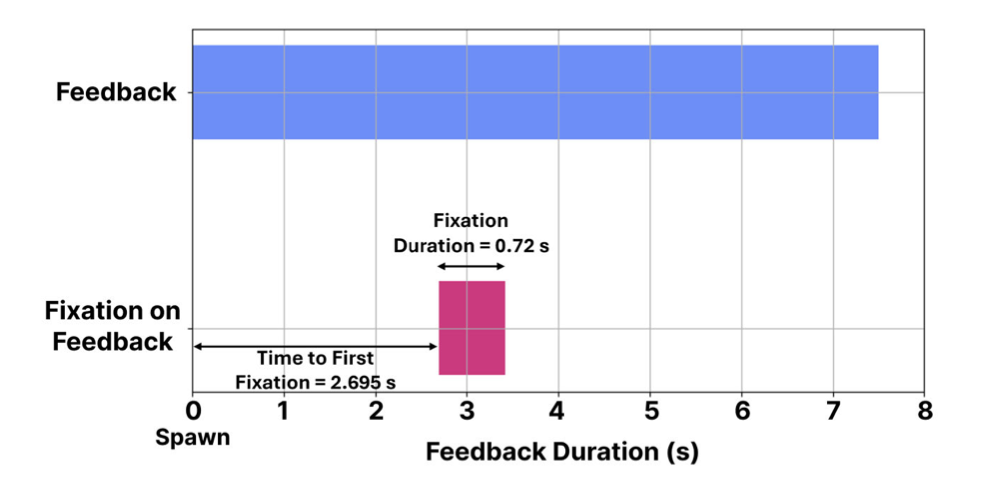
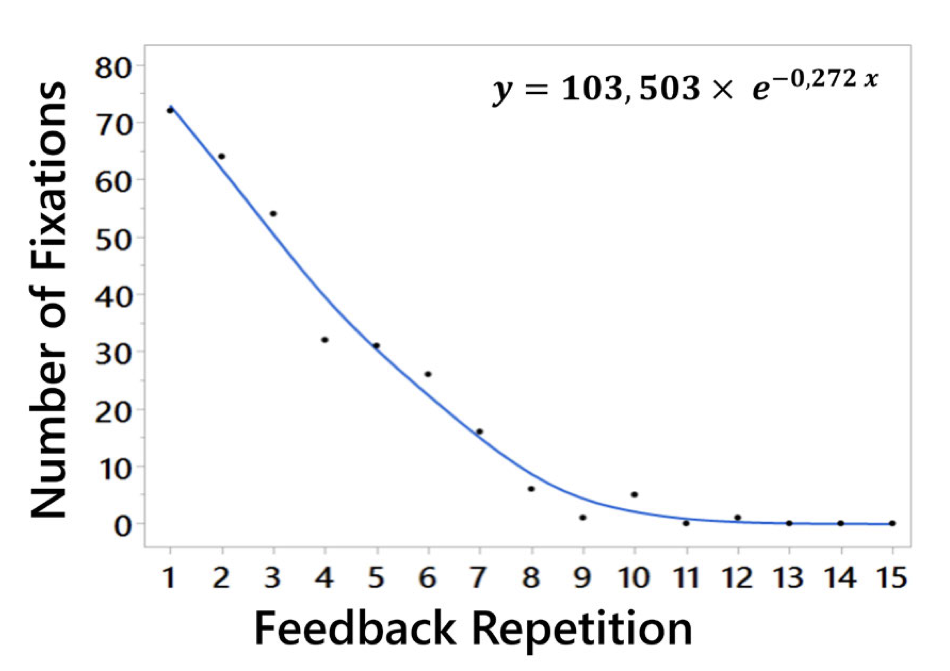
Building on previous Google-funded research, this study utilized the eye-tracking capabilities of the Meta Quest Pro to investigate whether early warning visual feedback for hand-tracking failures distracts users. By analyzing gaze fixations and saccades across three hand-tracking failure conditions, we found that the early warning feedback did not disrupt users' attention to their primary task: participants maintained their focus on object placement and made fewer placement errors. The results also showed that attention toward the feedback varied by the type of tracking failure, and that fixations on the alert decreased with repeated exposure, suggesting a possible habituation effect.
Read Paper →Object Speed Control with a Signed Distance Field
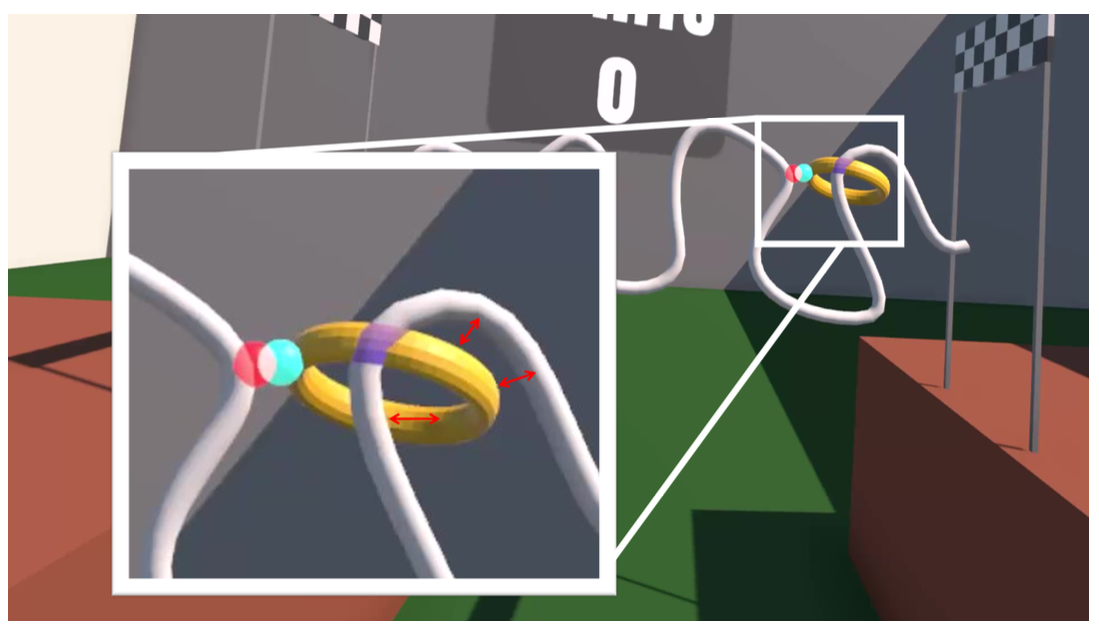
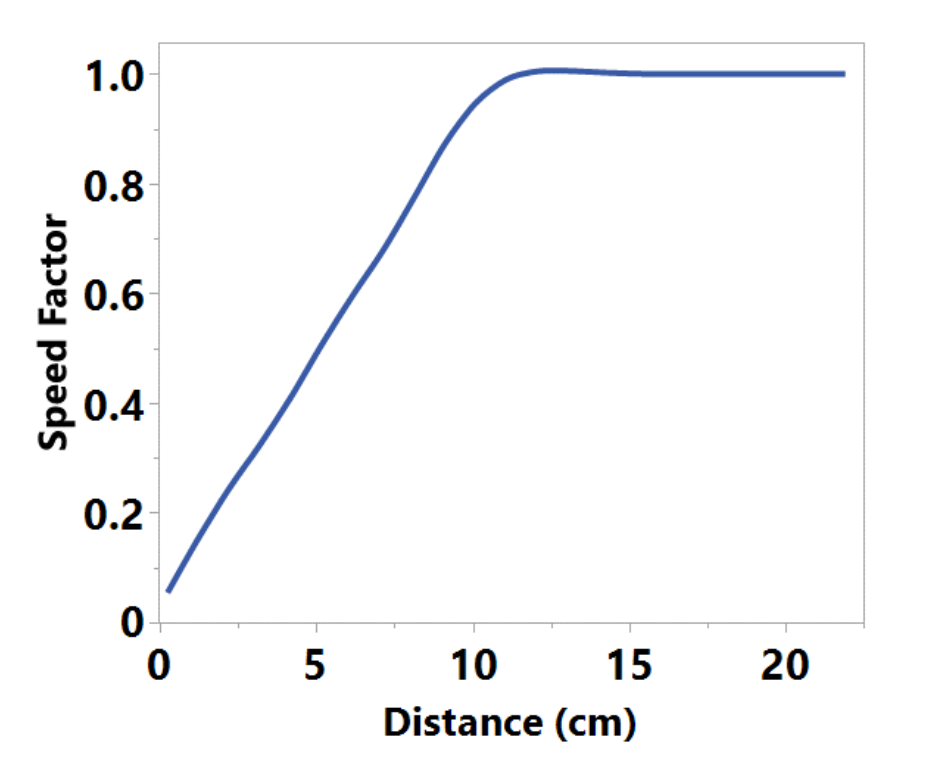
SDF / Mid-Air ManipulationIn Virtual Reality (VR) applications, interacting with distant objects relies heavily on mid-air object manipulation, yet the inherent distance often restricts movement precision. In this project, we introduced the Signed Distance Field (SDF) method for mid-air object manipulation and combined it with the ray casting interaction technique to investigate its effect on user performance. To increase movement accuracy, we leveraged the speed-accuracy trade-off to dynamically adjust object manipulation speed based on the SDF algorithm's output. Our study with 18 participants examined the effects of this method across tasks of varying complexity. The results showed that ray casting with SDF reduces the number of errors in complex tasks without slowing down the user, and improves the overall user experience.
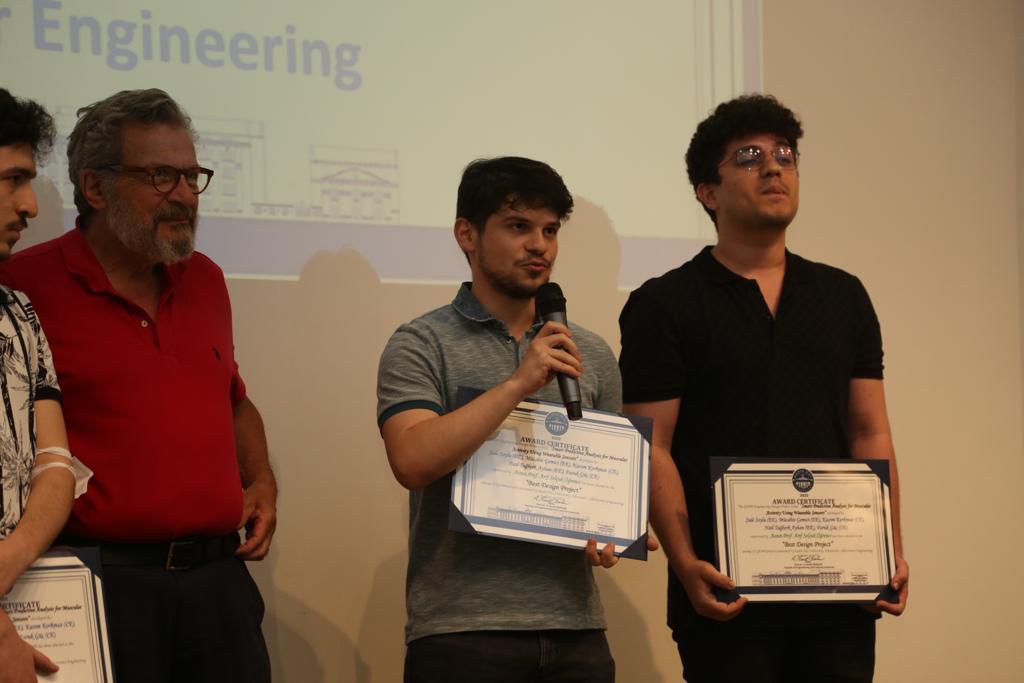
Read Paper →MuscleNET: Smart Predictive Analysis for Muscular Activity
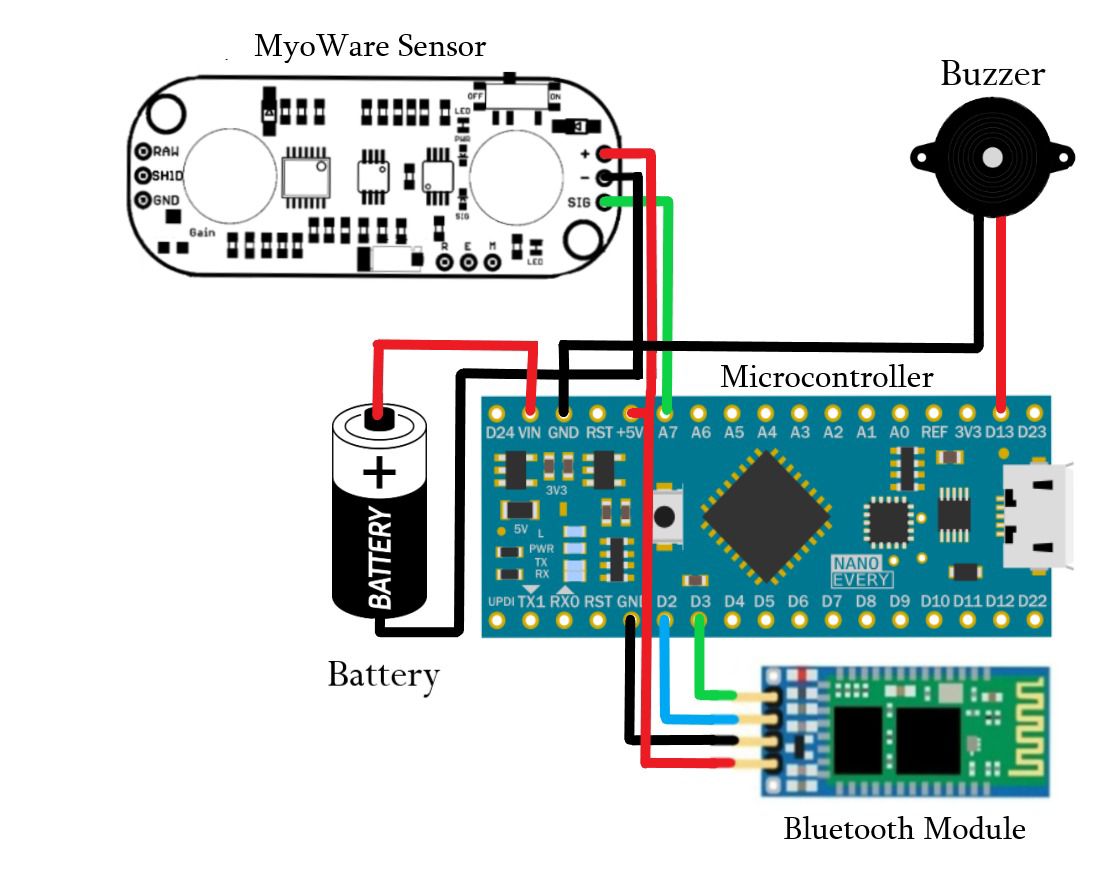
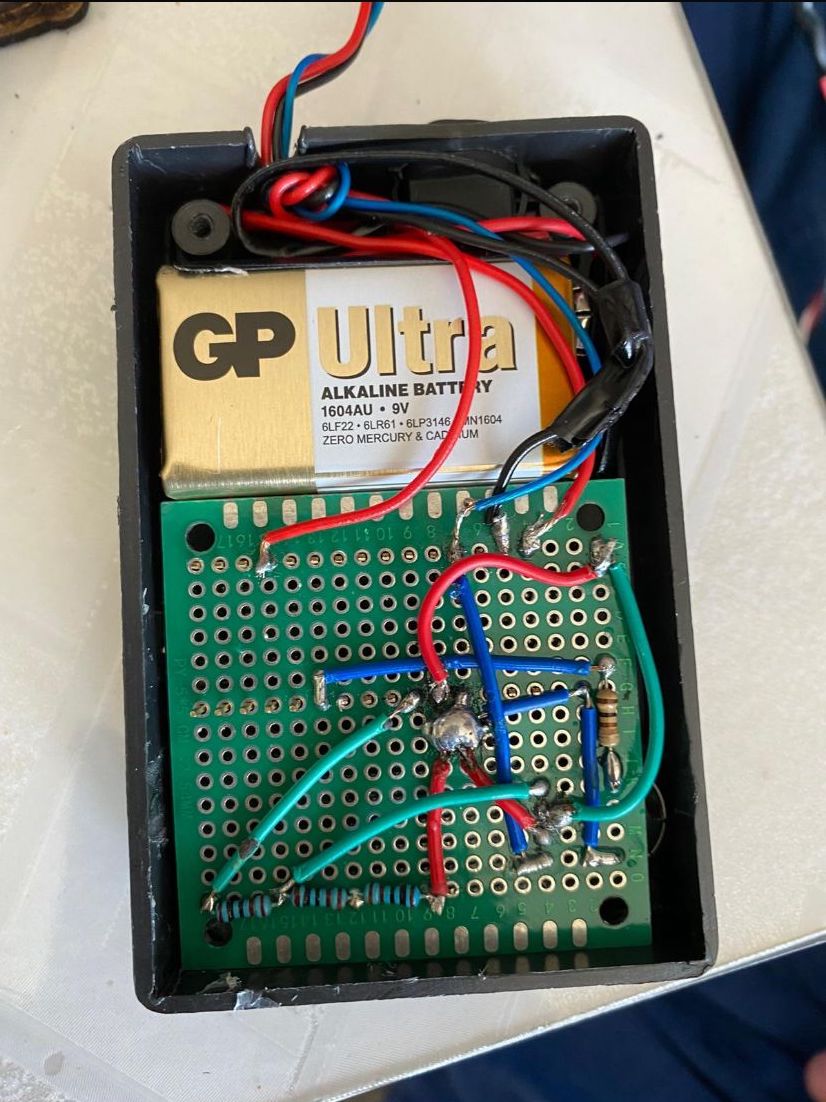
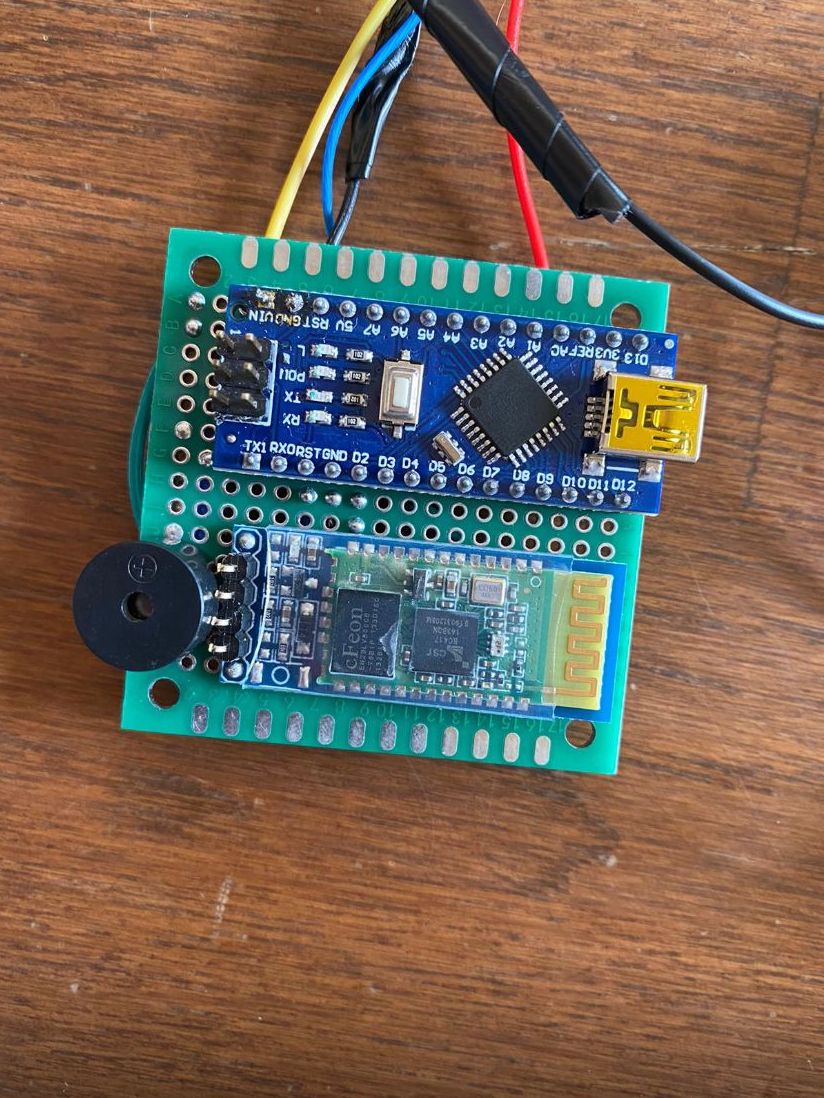
This project addresses the risk of sport-related injuries caused by unsupervised weight training by bridging the gap between wearable hardware and advanced machine learning. I helped design a custom wearable device using MyoWare muscle sensors and an Arduino Nano to collect real-time Surface Electromyography (sEMG) signals, which are transmitted via Bluetooth to a dedicated mobile application. To analyze this data, I implemented a dual-stage AI pipeline: Deep Neural Networks (DNN) to classify training quality (determining if the weight is optimal, too light, or too heavy) and Long Short-Term Memory (LSTM) networks to forecast potential injuries based on fatigue patterns. The system achieved an 85% accuracy rate in classifying training quality using data augmentation techniques, effectively acting as a "digital spotter" to ensure safe and efficient workouts.
Read Paper →Game Development
Garbage Vacuumer
Hyper-Casual / Idle Arcade / Cleaning SimulationGarbage Vacuumer is a successful hyper-casual title where players clean up clutter-filled cities. I designed and programmed the core mechanics and gameplay, collaborating with Moonee to refine the experience. The game features a satisfying loop where players collect debris, sell it for profit, and upgrade their vehicle from a basic vacuum car to heavy trucks and helicopters.
Key Mechanics & Features:
- Vehicle Evolution: Progression from small vacuums to massive aerial cleaning drones.
- Upgrade System: Balanced economy allowing players to upgrade Storage, Area (range), and Power.
- Physics-Based Cleaning: Satisfying "sucking" mechanics for thousands of debris objects.
- Dynamic City Environment: Low-poly cityscapes that visually clear up as the player progresses.
Shoot & Cover
Third-Person Shooter / Tactical Action / Wave DefenseShoot & Cover was my final project at Servo Studios, co-developed with Moonee. While the publisher provided assets, I handled the full technical implementation. The game achieved a highly competitive $0.31 CPI during testing, leading the studio to self-publish the title before I departed for my academic career.
Key Mechanics & Features:
- Tactical Cover System: Dynamic movement logic allowing players to dash between safe zones.
- Weapon Shop Economy: In-game store to unlock and equip diverse firearms (AKM, Shotguns) using match earnings.
- Enemy AI Waves: Tactical combat against waves of armed enemies requiring strategic positioning.
- Extraction Loop: Clear the area and reach the extraction vehicle to secure level progress.
Sky Surfer
Hybrid Runner / Arcade Shooter / Aerial CombatFor my third project at Servo Studios, I reimagined the mechanics of the hit game Subway Surfers within an aerial combat setting. Sky Surfer combines classic lane-based dodging with arcade shooter gameplay, challenging players to navigate tight city corridors while blasting through waves of enemy planes.
Key Mechanics & Features:
- Lane-Based Dogfighting: Seamlessly merged endless runner movement with auto-firing combat mechanics.
- Risk & Reward System: "Close Pass" mechanic rewarding players for flying through tight gaps in walls.
- Enemy Behaviors: Varied enemy types including formation drones and high-speed "Kamikaze" divers.
- Procedural City Generation: Infinite low-poly cityscapes with randomized obstacle patterns.
Tower Climber
Hyper-Casual / Vertical Platformer / Reflex ArcadeFor my second project at Servo Studios, I built upon the simplicity of my previous work but introduced a new reflex-based mechanic. Players must use precise timing to launch across and latch onto the opposite wall. The game features different styles of infinite towers and a fully customizable character, allowing players to mix and match various outfits and accessories.
Key Mechanics & Features:
- Precision Hook Mechanic: One-tap timing gameplay to launch ropes and latch onto safe wall sections.
- Dynamic Obstacles: Navigating through moving saws, rotating blades, and electrical traps.
- Infinite Progression: Procedurally generated towers with evolving visual themes (Brick, Sci-Fi).
- Combo System: Speed-based multipliers (up to x6) rewarding fast and flawless climbs.
Reach the Space
Hyper-Casual / Vertical Endless Runner / Space ArcadeA vertical endless runner developed for Servo Studios. Reach the Space challenges players to pilot a customizable ship as high as possible, dodging aerial and extraterrestrial threats while collecting coins and power-ups to extend their flight.
Key Mechanics & Features:
- Atmospheric Transition: Seamless visual progression from blue skies to deep space environments.
- Dynamic Obstacles: Evolving threats ranging from biplanes in the lower atmosphere to UFOs in space.
- Fuel System: Critical resource management requiring players to collect fuel tanks to maintain altitude.
- Power-Up System: Magnets and coin multipliers to boost high-score potential.
Castle Defender
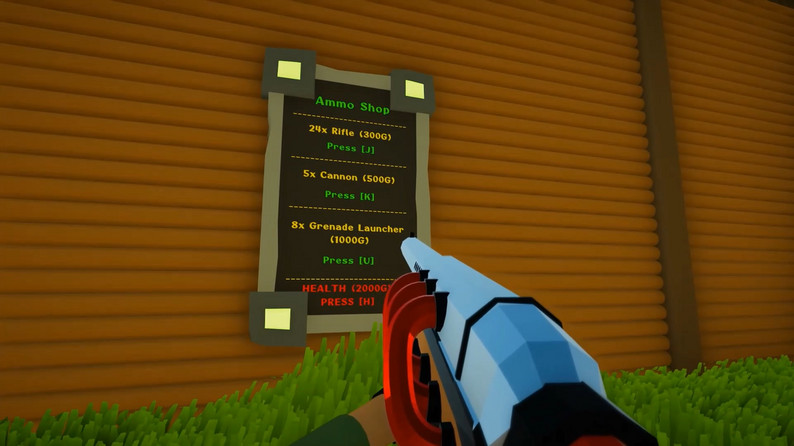
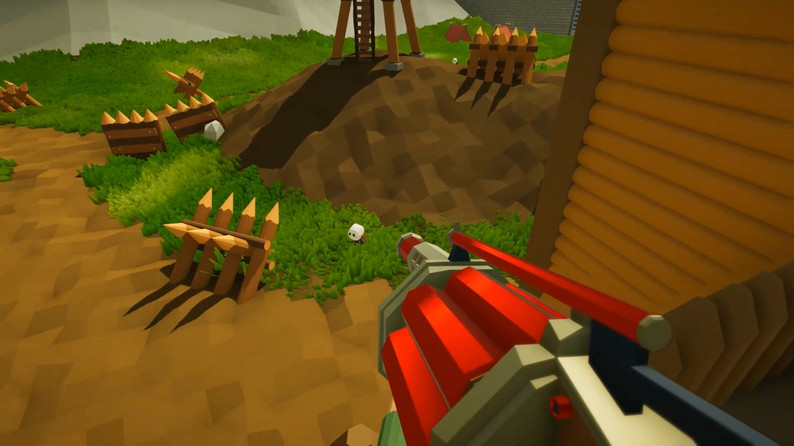
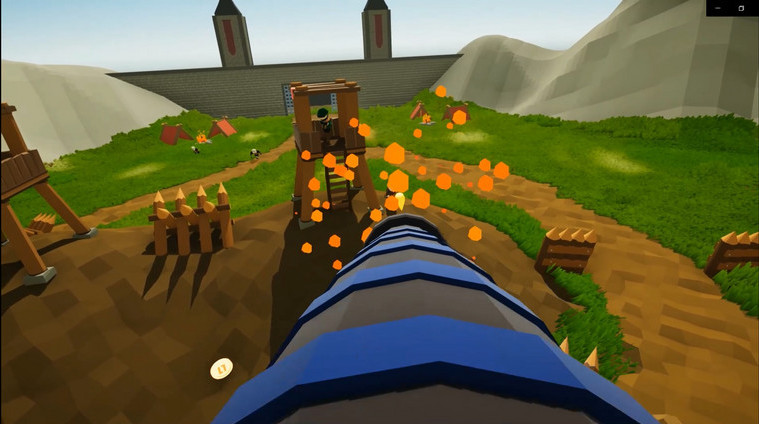
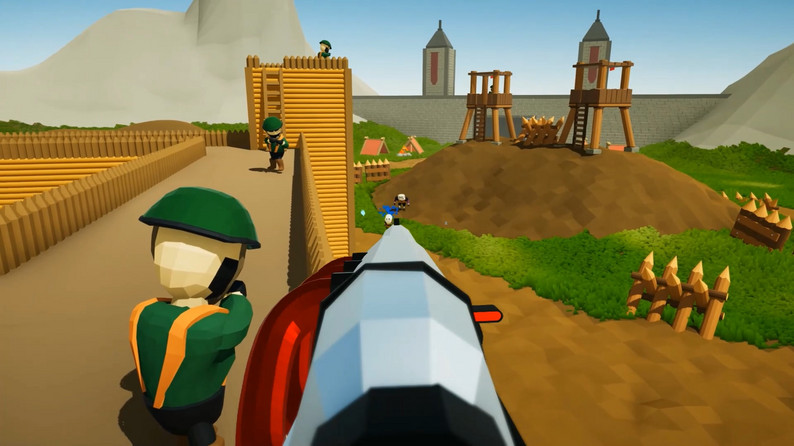
First-Person Tower Defense / Low Poly / Action StrategyCastle Defender is a unique blend of Tower Defense and FPS genres, developed as a student project to explore 3D modeling and design. Unlike traditional top-down games, it places the player directly on the battlefield. While I handled the core development and 3D modeling, I received support from Faruk Güç on especially weapon animations.
Key Mechanics & Features:
- Active Combat: Defend the castle manually using Shotguns, Grenade Launchers, and a Giant Cannon.
- Economy Loop: Earn coins from defeated enemies to purchase essential ammo and upgrades.
- Immersive Perspective: A first-person take on the genre, putting you right in the middle of the enemy waves.
The Arena
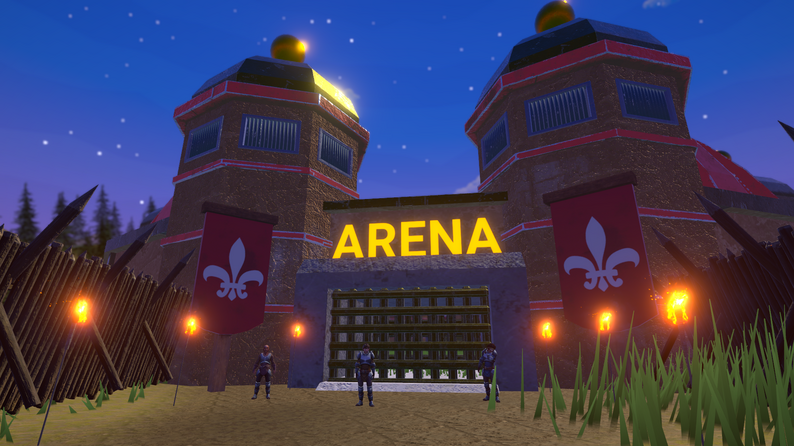
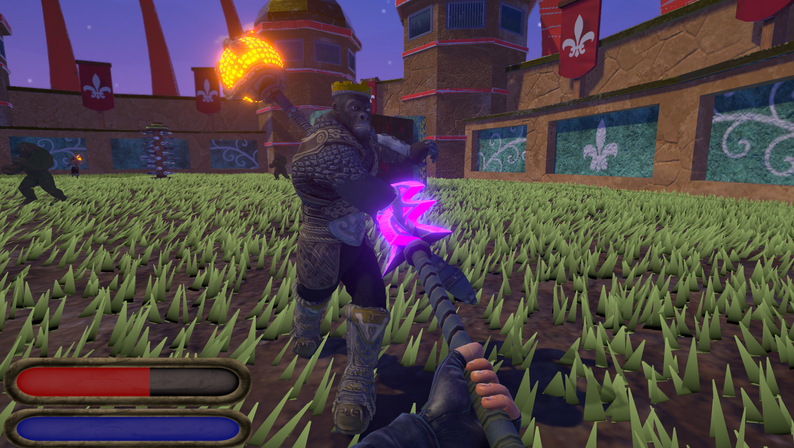
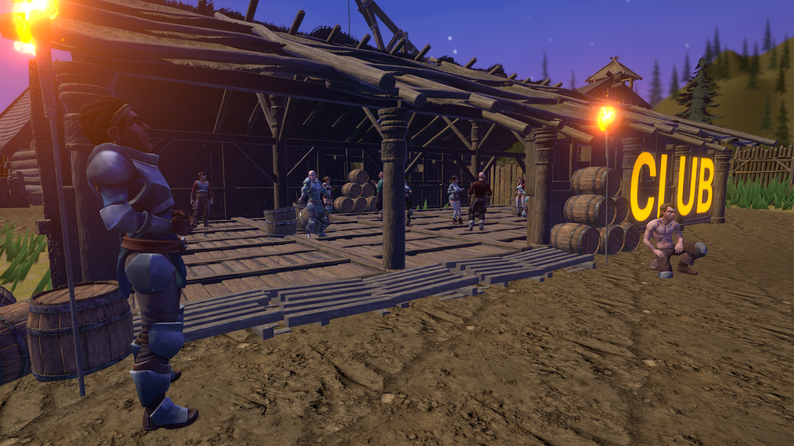
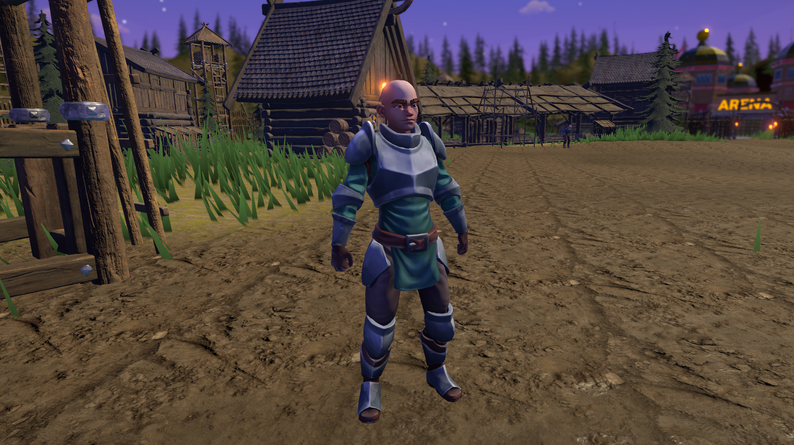
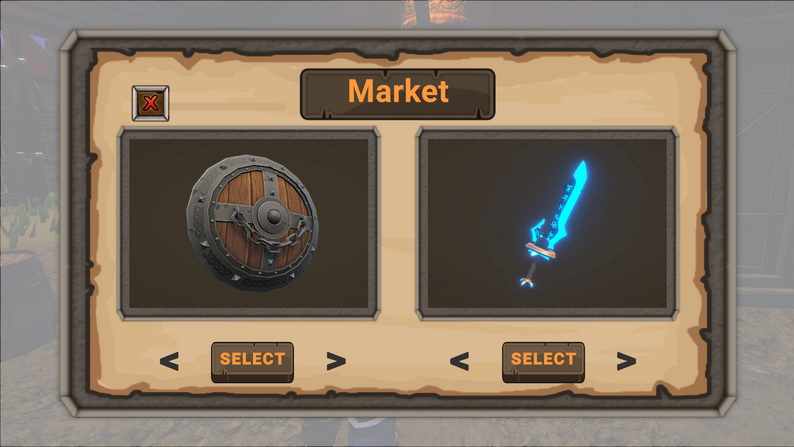
First-Person Melee / Fantasy / Custom AssetsThe Arena is a first-person fighting game developed in collaboration with Faruk Güç as a semester project for the CE469 Game Programming course. It features immersive combat mechanics within a custom-built fantasy setting. This project was a career milestone, as the technical and artistic skills showcased here directly led to my first professional role as a game developer.
Key Mechanics & Features:
- Dynamic Combat: Fight using distinct classes including Two-Handed Swords, Spears, and Sword & Shield.
- Environmental Tactics: Utilize activatable traps within the arena to gain a strategic advantage.
- Custom 3D Pipeline: Features an explorable village and a custom arena, where I modeled and textured the arena structure and traps from scratch.
The Wizard
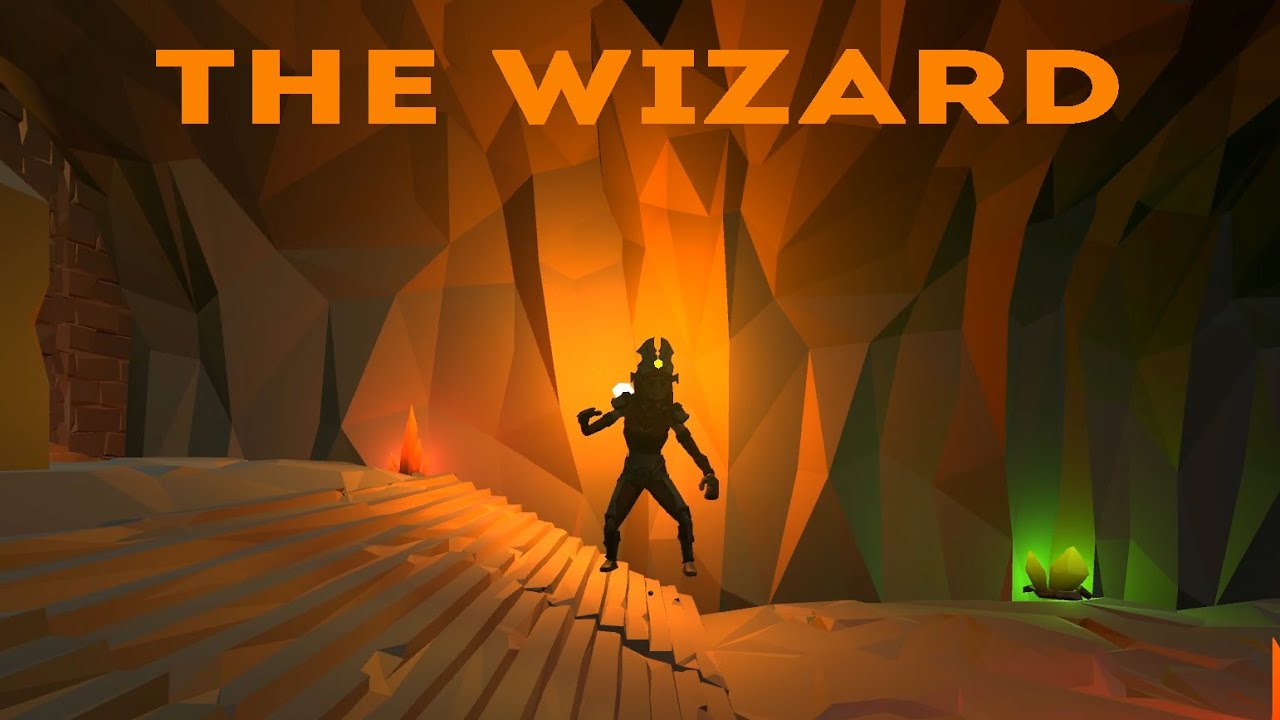
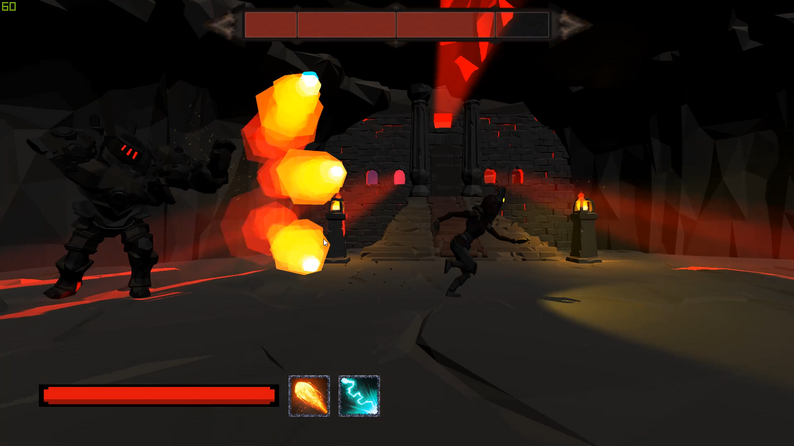
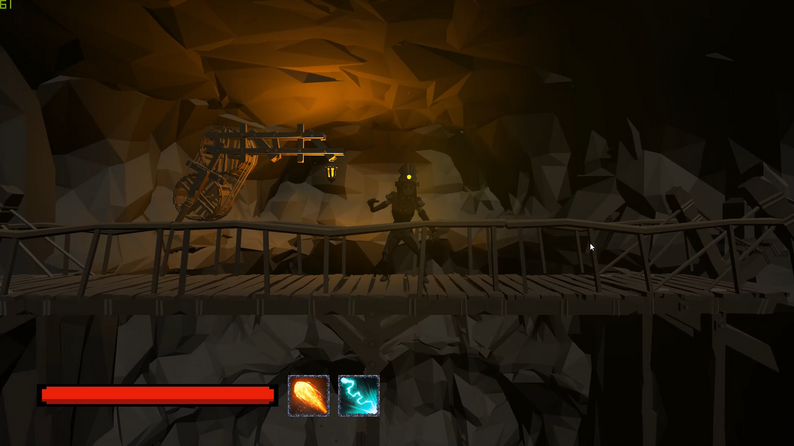
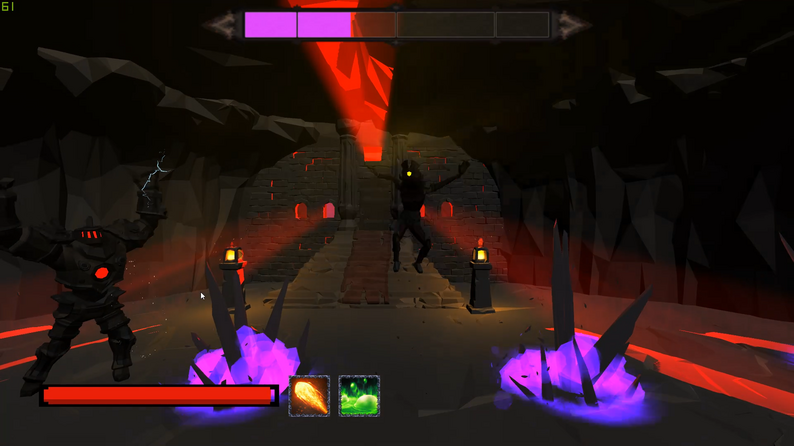
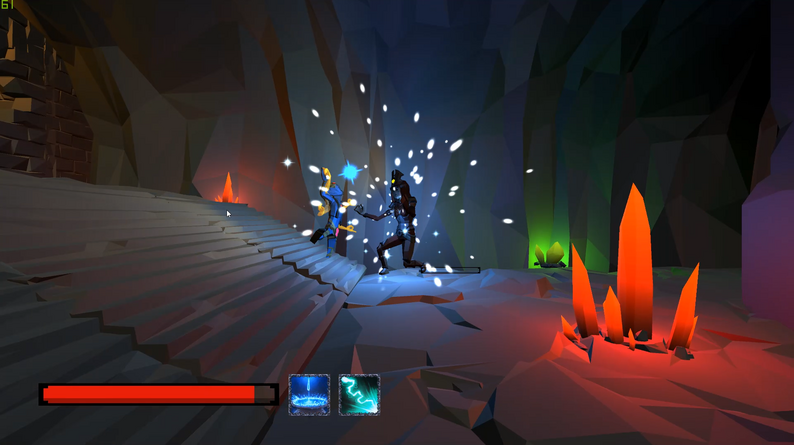
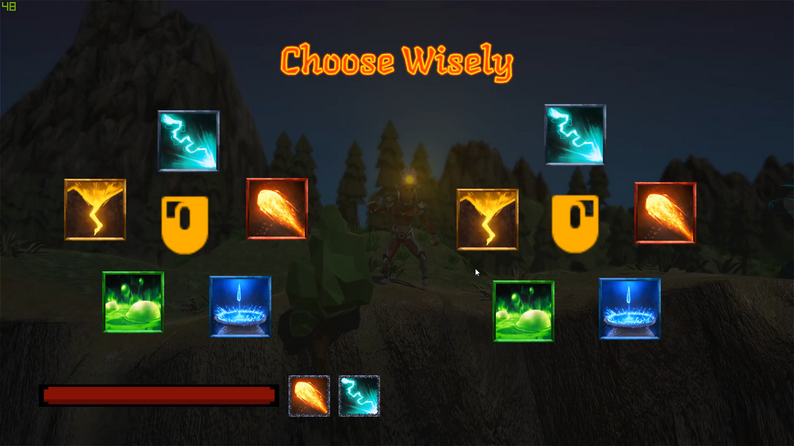
2.5D Action-Adventure / Elemental Combat / Indie ShowcaseThe Wizard marks the very beginning of my game development journey. Built in collaboration with Faruk Güç after only one month of learning Unity, this project utilizes 3D assets within a 2D gameplay loop (2.5D). Despite our limited experience at the time, we managed to create a cohesive experience that even caught the attention of content creators, featuring a playthrough by YouTuber Vampirschi Gaming.
Key Mechanics & Features:
- Elemental Strategy: Combat requires careful thought—using fire attacks on fire enemies will heal them instead of dealing damage.
- Cinematic Elements: Features an introductory cutscene and a challenging mini-boss fight to drive the narrative.
- Indie Feature: The game was discovered and played by the indie gaming community on YouTube.
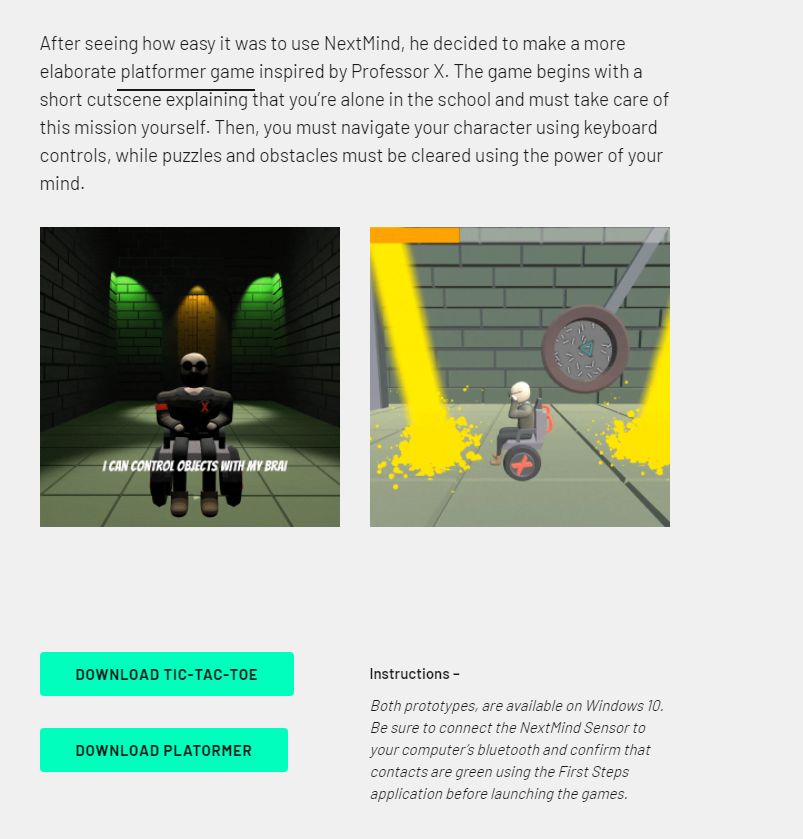
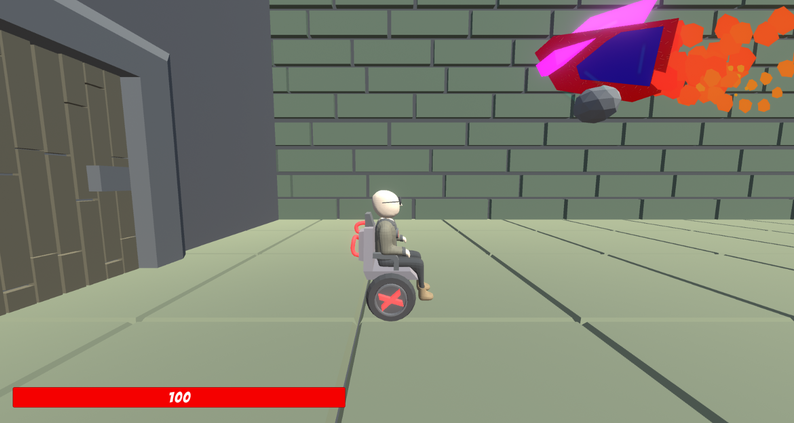
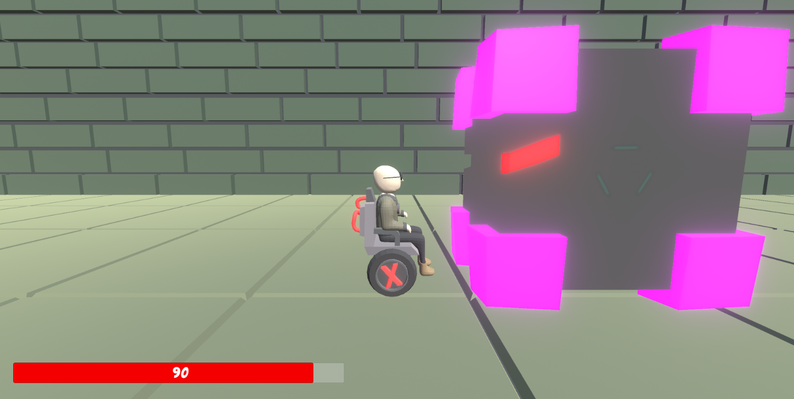
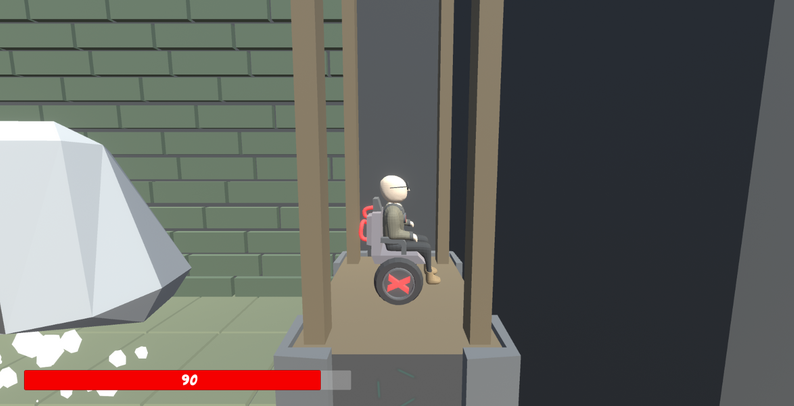
Platformer Game for NextMind
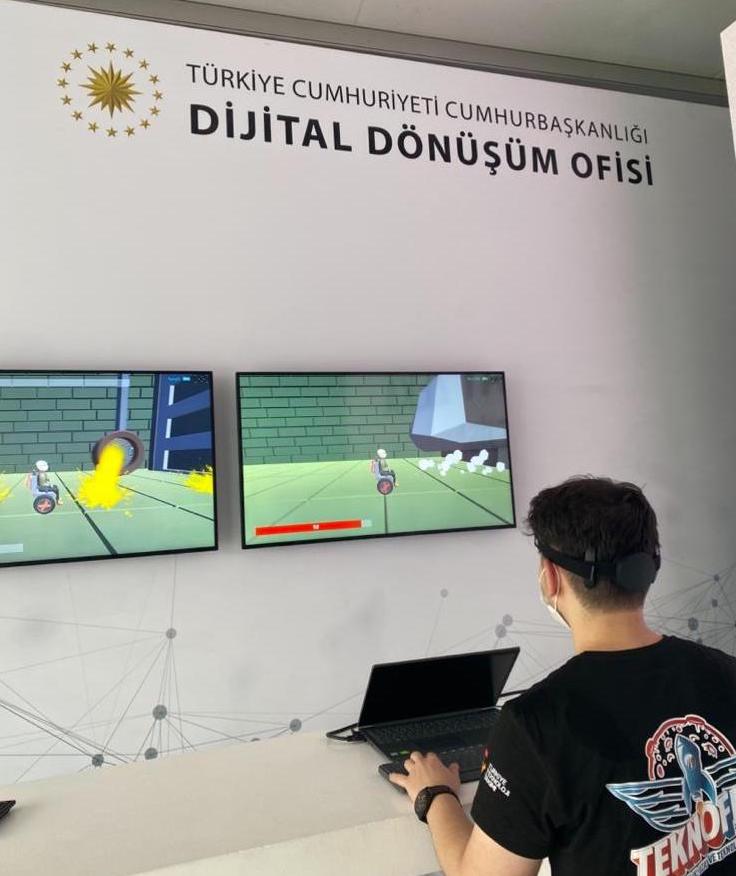
Puzzle Platformer / Hybrid Control / Brain-Computer InterfaceThis project is a hybrid-control puzzle platformer that combines traditional keyboard inputs with direct brain-computer interface (BCI) mechanics. I developed this game using Unity and the NextMind API, handling all programming and 3D modeling personally. The project was not only selected for exhibition at Teknofest 2021 by the Digital Transformation Office of the Presidency of Turkey but was also featured in the official NextMind blog as a prime example of innovative BCI implementation.
Key Mechanics & Features:
- Hybrid Controls: Players use the keyboard for movement while using the NextMind BCI device for environmental interaction.
- Neuro-Interaction: Obstacles such as rocks and barriers are overcome by mentally "focusing" on them to trigger actions via brain signals.
- Solo Development: I was responsible for the entire pipeline, including gameplay programming, BCI integration, and 3D asset creation.
Tic Tac Toe With NextMind
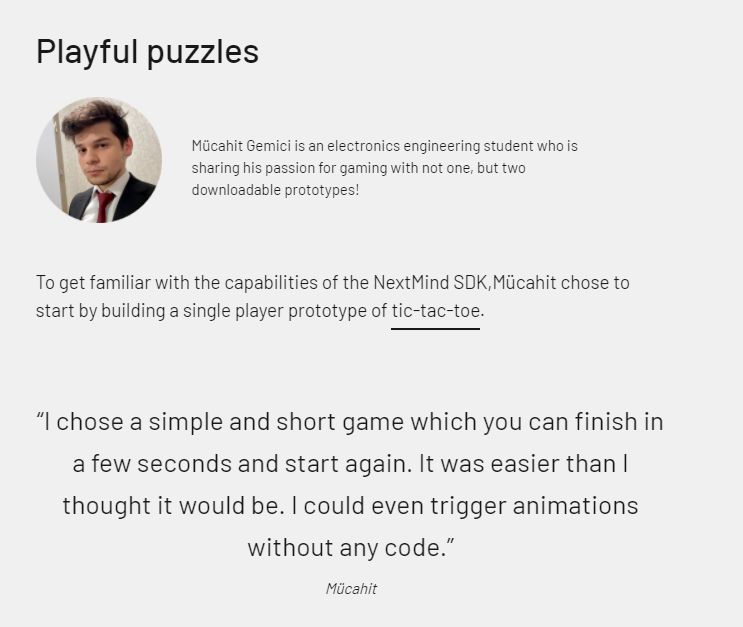
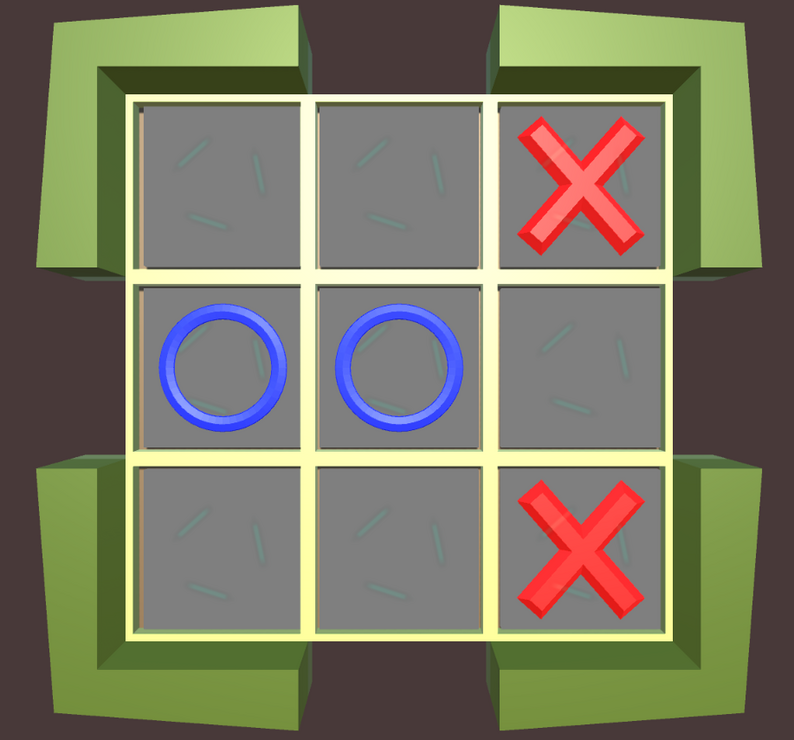
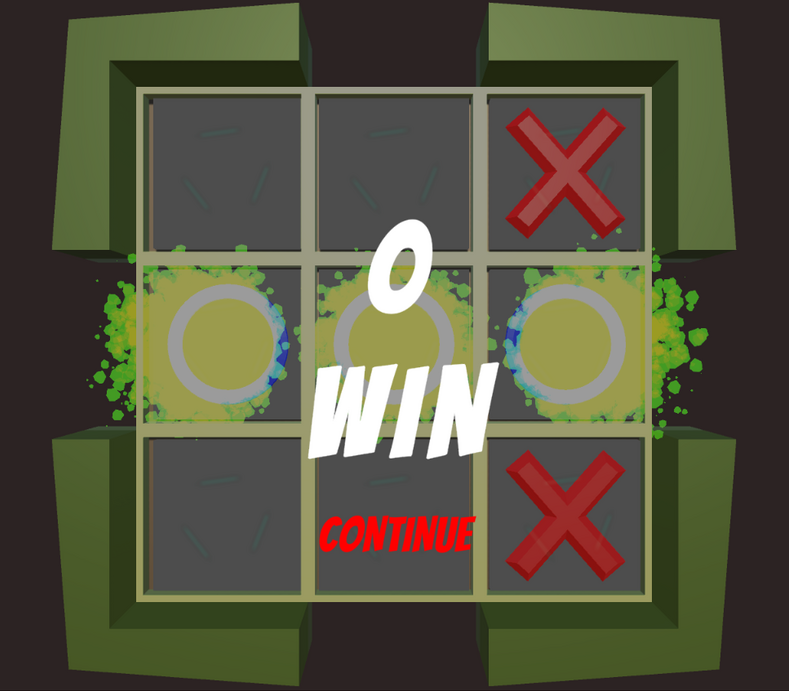
Experimental / Hands-Free / Brain-Computer InterfaceTic Tac Toe With NextMind is an experimental project developed to explore the potential of Brain-Computer Interfaces (BCI) in gaming. Built in just a few days, this project serves as a technical proof-of-concept for hands-free interaction. It demonstrates my ability to quickly adapt to new hardware SDKs and implement complex input systems into a functioning game loop—an effort that earned recognition and a feature in the official NextMind company blog.
Key Mechanics & Features:
- Visual Attention Control: Players place their marks on the grid entirely hands-free, simply by focusing their gaze and concentration on a specific square.
- Neuro-Feedback Loop: The game utilizes the NextMind device to translate real-time brain signals into game input.
- Solo Pipeline: I handled the entire development process, including programming the BCI integration and creating the 3D assets.
Game Modelled by AI
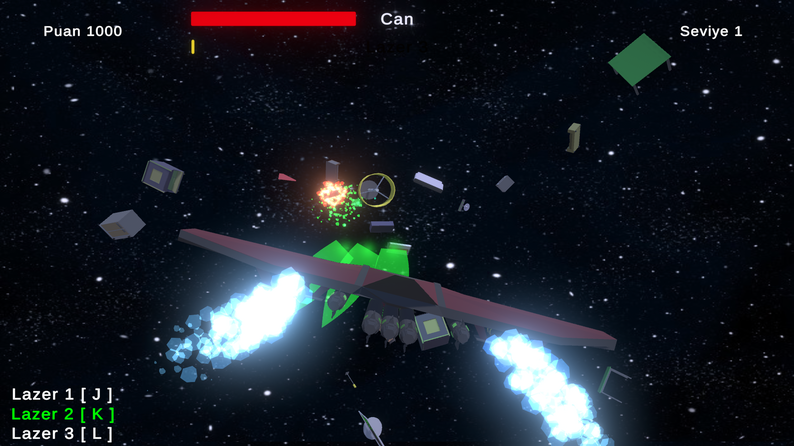
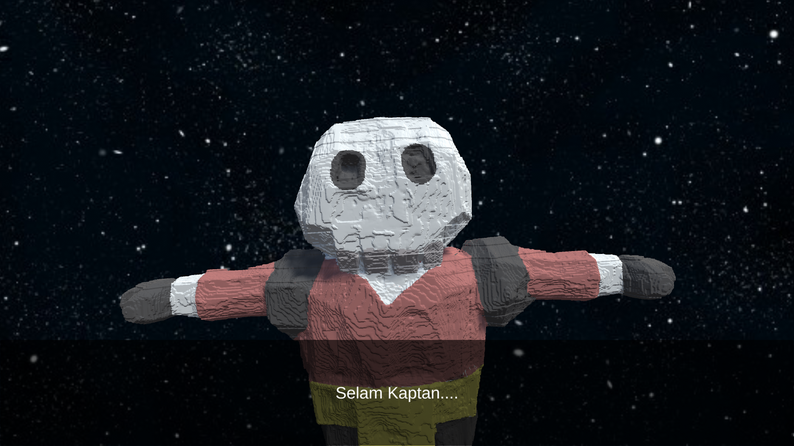
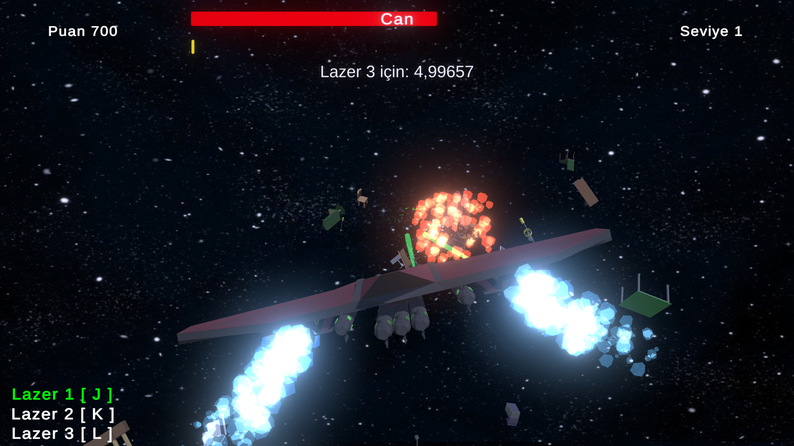
Space Shooter / AI Pipeline / Experimental / NSVFGame Modelled by AI is an experimental R&D project developed during my internship to explore the potential of automating 3D asset creation. Created in August 2021—well before the current boom of generative 3D—this project served as a pioneering proof-of-concept for an AI-driven pipeline.
Key Mechanics & Features:
- AI-Generated Assets: Leveraged Neural Sparse Voxel Fields (NSVF) and Polygen to create 3D meshes (furniture, debris, characters) without manual modeling.
- Space Shooter Gameplay: A fully playable loop where players fly a ship and destroy waves of AI-generated obstacles.
- Automated Pipeline: Demonstrated how raw ML outputs could be imported, textured, and used in a real-time Unity environment.